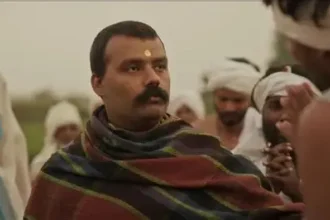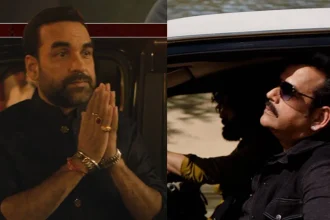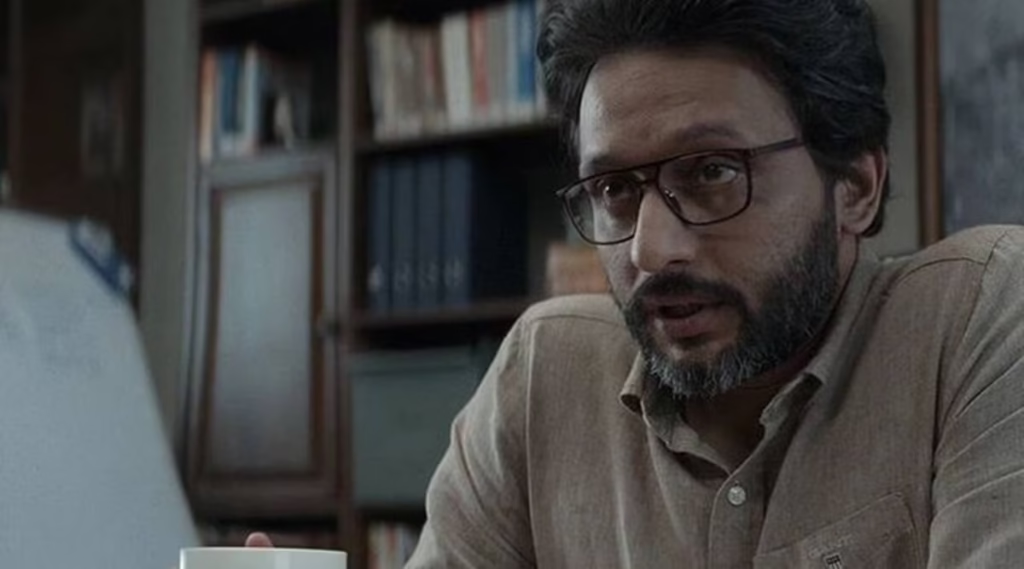
For years, Mohammed Zeeshan Ayyub was the “reliable best friend” of Bollywood. Whether it was the street-smart Murari in Raanjhanaa or the loyal Chintu in Tanu Weds Manu Returns, he often stole the show from the superstars he stood next to.
But recently, the actor has been noticeably absent from mega-budget blockbusters. In a candid new revelation, Zeeshan opened up about why he made a conscious decision to step back from films led by superstars like Shah Rukh Khan (Zero) and Aamir Khan (Thugs of Hindostan). The reason? A heartbreaking realization that in the world of giants, his talent was being reduced to mere furniture.
Here is the full story of why one of Hindi cinema’s finest talents chose “ownership” over “visibility.”
The Breaking Point: ‘Zero’ and ‘Thugs of Hindostan’
Zeeshan’s frustration didn’t happen overnight. It culminated in 2018, a year that saw the release of two massive films he was part of: Thugs of Hindostan and Zero.
- The Promise: In both films, Zeeshan was promised significant character arcs.
- The Reality: When the films were released, he found his contributions were largely ignored by the audience and media, or worse, left on the editing room floor.
“I Got Nothing From Those Films” Speaking to Moneycontrol, Zeeshan didn’t mince words. He admitted that despite being part of these massive projects, he felt invisible.
“I didn’t get anything from those films. I was part of them, but the media and audience ignored my contribution.”
He revealed that often, insecure stars or makers would cut his scenes because he was “overpowering” the lead, or he would be removed from posters for “stupid reasons.” The realization was brutal: no matter how good his performance was, if the superstar failed, the film failed, and if the film succeeded, the superstar took all the credit. Zeeshan was left with nothing but a paycheck and a bruised artistic ego.
The Shift: Choosing “Ownership” Over “Clout”
Post-COVID, Mohammed Zeeshan Ayyub made a rule for himself: No more big-star films unless the role is indispensable.
He decided to pivot to OTT platforms and smaller, character-driven films where he could actually shoulder the responsibility of the narrative.
- The Philosophy: He wants “True Ownership.” As he put it, “If a story succeeds or fails, I should share the credit or blame.”
- The Result: This decision led to powerful performances in shows like Scoop (where he played a principled journalist) and Tandav. He stopped being a “prop” and started being a “partner” in the storytelling process.
What He Is Doing Now (2025 Update)
Mohammed Zeeshan Ayyub gamble paid off. By stepping away from the shadows of Khans and Kumars, he found his own spotlight.
- Latest Project: He is currently making waves in the Sony LIV series ‘Real Kashmir Football Club’ (releasing December 9, 2025), where he plays a football mentor.
- Upcoming Work: He has a packed 2025 lineup, including Criminal Justice: A Family Matter and Nishaanchi, proving that he doesn’t need a 500-crore film to stay relevant.
Conclusion: A Lesson for Bollywood?
Zeeshan Ayyub’s exit from “star vehicles” is a wake-up call for an industry that often treats supporting actors as disposable assets. By choosing self-respect over screen time, he has proven that an actor’s true worth isn’t determined by who they stand next to, but by what they stand for.
As fans, we would rather see 100% of Zeeshan in a small film than 10% of him in a blockbuster.
Frequently Asked Questions (FAQs)
1. Why did Mohammed Zeeshan Ayyub quit big Bollywood films? He felt his roles were constantly reduced and overlooked in films like Zero and Thugs of Hindostan. He wanted roles where he had “ownership” of the success or failure.
2. Which big stars has Mohammed Zeeshan Ayyub worked with? He has worked with Shah Rukh Khan (Raees, Zero), Aamir Khan (Thugs of Hindostan), Salman Khan (Tubelight), and Dhanush (Raanjhanaa).
3. What is Zeeshan Ayyub’s latest web series? His latest project is ‘Real Kashmir Football Club’, streaming on Sony LIV from December 9, 2025.
4. Did Mohammed Zeeshan Ayyub regret doing Zero? While he hasn’t used the word “regret,” he expressed frustration that despite his efforts, his contribution was ignored and the film did not add value to his career.